If you’ve been searching for the lowdown on scalp micropigmentation men vs women, well, here’s the real scoop: the procedure doesn’t change one whit because someone happens to be male or female. In practice, I tailor needle depth, SMP settings, pigment choice, dot density, and the overall pattern to the individual’s skin condition, hair loss pattern, age, scalp health, and the result they’re looking for – not gender alone. At Cosmetic Tattoo Studio Melbourne Face Figurati, the difference between a believable result and one that looks stamped on often comes down to that.
I’m Olha Po, & after years of doing cosmetic tattooing in Melbourne, I’ve noticed this is where people get misled. Clients often assume men need deeper implantation & women softer pigments. Not quite. While on average skin thickness can differ between men and women – and I mean average – on any given day, your scalp is going to be different to the numbers.
Welcome To The Real Answer
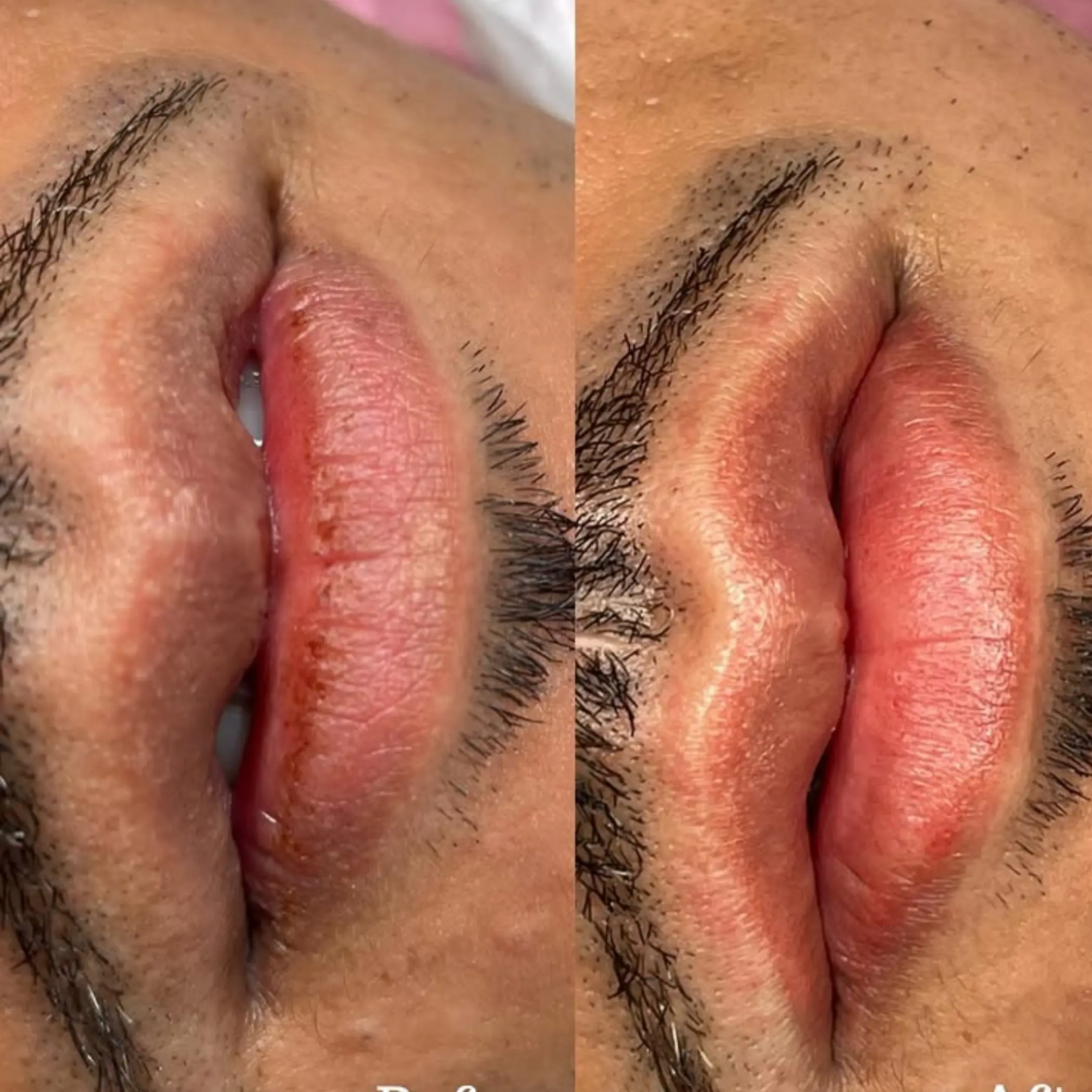
Let’s have a proper chat here, not a sales pitch. The goal with permanent makeup for scalp work is to place pigment at exactly the right level, size and tone so that it heals into a soft follicle mimic rather than just a blurry dot that nobody wanted.
For most clients, the main differences in hair tattoos between men and women come down to the design. Men often want to recreate a hairline. Women more often come in with diffuse hair thinning and need density added between their existing hairs. Same treatment, just different goals.
Quick clinical takeaway
When it comes to scalp tattoo needle depth, it’s adjusted based on how the skin responds during the procedure, not by some rulebook that says men get one treatment and women get another. Pigments are chosen by matching SMP colours to skin undertones and healing characteristics, including the risk of colour fading. A skilled artist watches the skin, not their preconceptions.
Why Skin Biology Matters
Skin biology matters – but in a more complicated way than social media makes it sound. Some clients have oilier scalps, denser collagen, thicker dermal structure, sun damage, scar tissue, or sensitivity from using certain skincare products. Those factors affect implantation far more than some blanket assumption that ‘men are this’ and ‘women are that’.
Research summaries you often see in dermatology discussions note that male skin can be thicker on average than female skin, but there is all sorts of individual variation depending on age and site. And that’s what I see in the studio: one woman may have a firmer, tougher scalp than a male client sitting right in front of her.
What Affects Retention Most
Pigment retention is all about the balance of skin collagen, oil production, scalp inflammation, seborrhoeic dermatitis & how often the scalp gets exposed to the sun. I also see seasonal shifts here in Melbourne: UV & sweat in summer can mess with the healing process, while winter wind & indoor heating can leave the scalp dry and reactive.
| Factor | How It Affects SMP | More Important Than Gender? |
| Scalp oiliness | Can reduce crisp healed dots | Yes |
| Sun damage | May affect retention and tone | Yes |
| Scar tissue | Needs slower layering and testing | Yes |
| Average skin thickness | May influence hand pressure | Sometimes |
| Hair loss pattern | Changes density and design | Yes |
Needle Depth Needs Precision
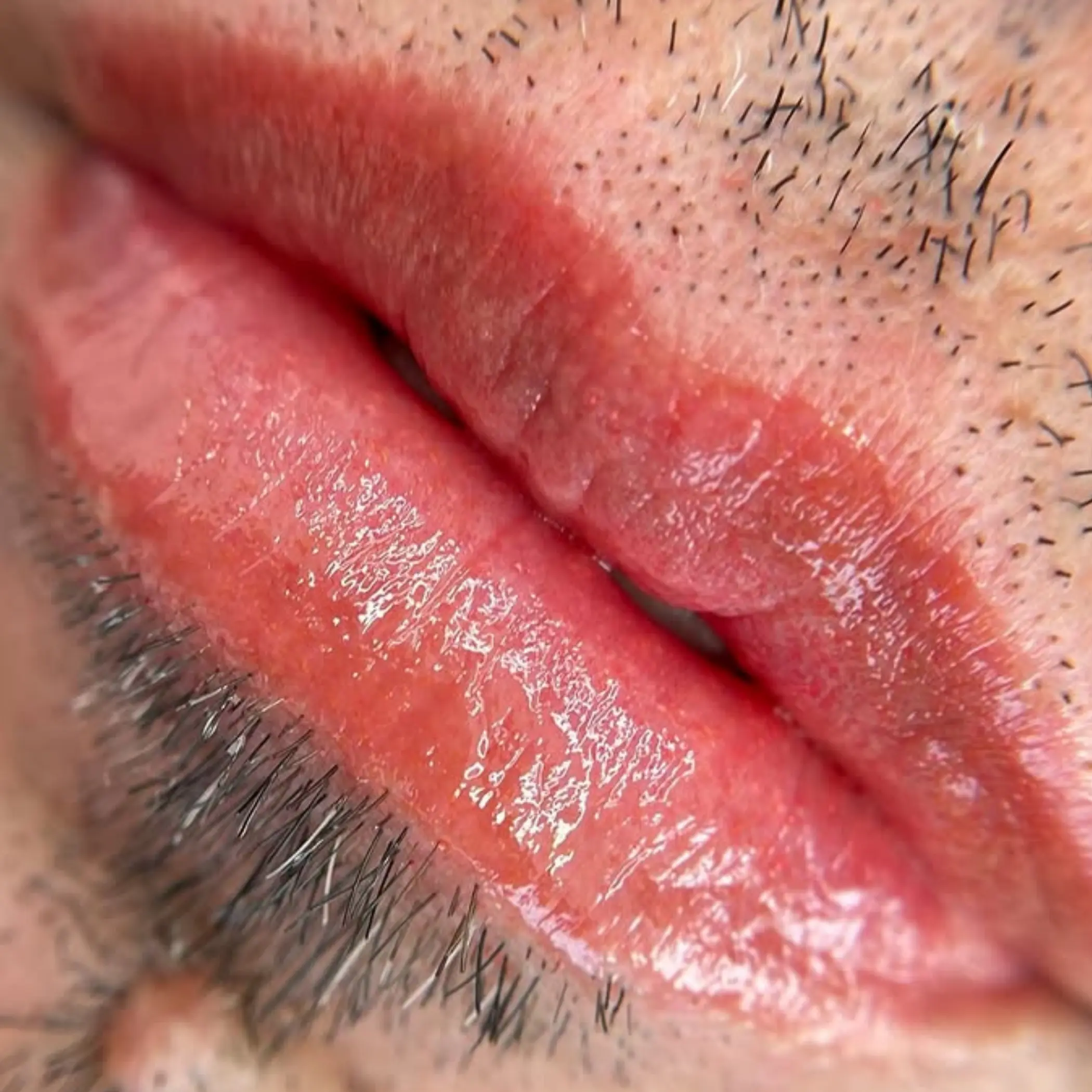
People are always curious about the nitty-gritty, and who can blame them? Go too shallow, and the result doesn’t last. Go too deep, and you get an unwanted spread, or the impression heals all wrong. No one wants a dot morphing into a weird blob.
The typical needle settings for scalp micropigmentation are a whole lot more superficial than body-tattooing settings, but there’s no one-size-fits-all answer because it’s all about the gear, the cartridge type, how tight the skin is, how fast you’re moving, and how much pressure you’re applying. Even the big training groups and medical experts, like ISHRS and Shapiro Medical, who get a mention in medical hair restoration circles and SMP Australia, stress that it’s all about clinician judgment rather than any fixed depth rule.
How I Choose The Setting
When I’m figuring out what to use, I look at skin resistance, hydration levels, any previous tattoos, scar tissue, and whether we’re after a soft, gentle fill or a more defined front edge. Female SMP typically requires some delicate placement to work around existing hair, while for men, a hairline design might call for some clearer front patterning – but it’s all a design call, not a case of just going deeper.
The one thing that catches most people off guard is that one session is rarely enough to do the trick. Most people need 2-4 sessions spaced about a week or two apart, with each appt running 2-5 hours, depending on the size of the area you’re working on. If you only get one session, you’ll get a base layer, but that’s it.
Shade Choice Drives Realism
If depth is the tech, pigment is the art. Good pigment shade selection isn’t “male pigment” and “female pigment”, it’s about undertone, what sort of skin you’ve got, natural hair colour, how much contrast there is on your scalp, how much grey you have, and how that pigment will heal up.
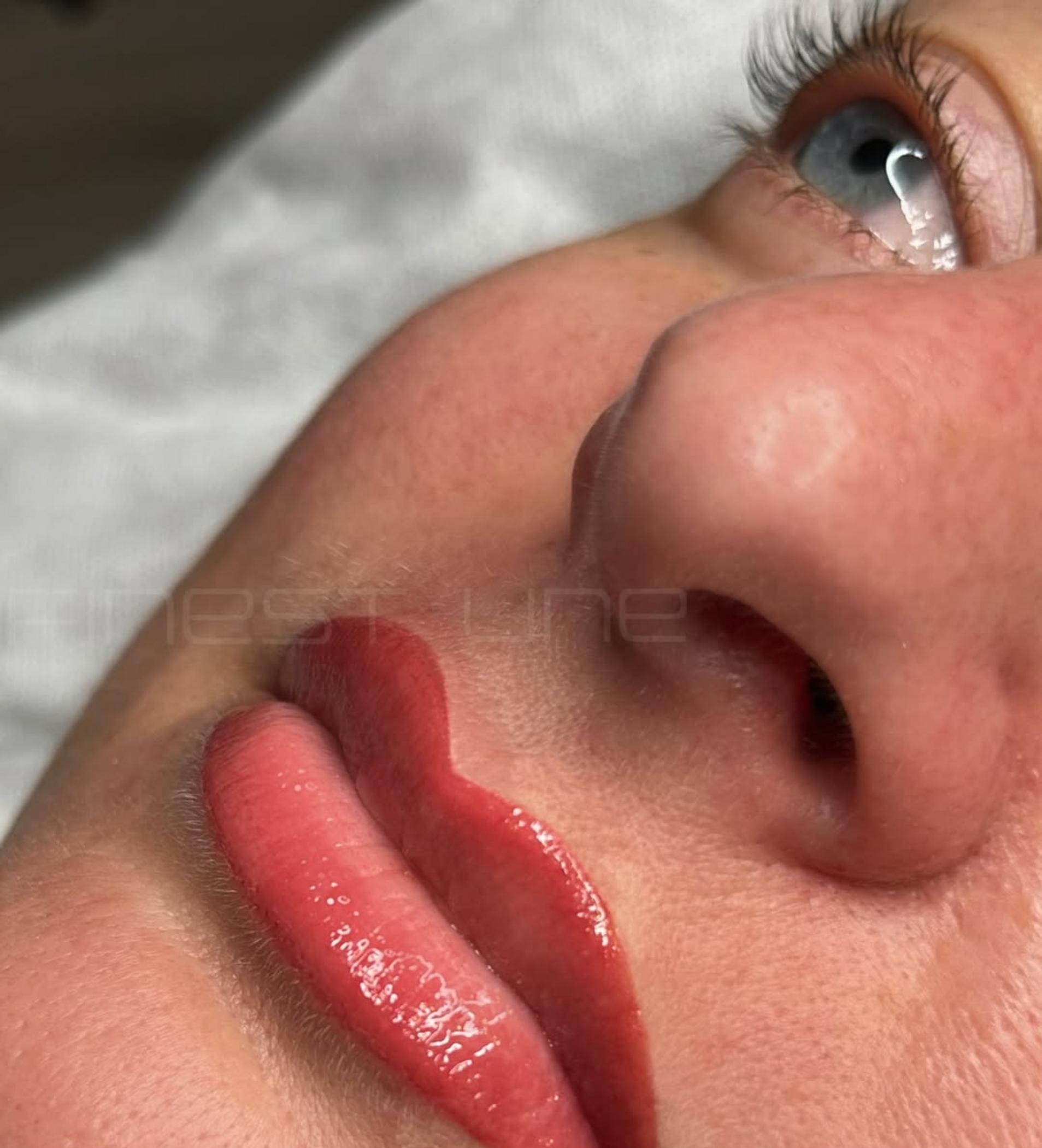
At Face Figurati, I make sure to explain all this clearly because many people come in with a photo of some fresh work they love, without realising that healed results will be softer. It’s all about expectation vs reality here: fresh dots look much darker and sharper, while healed dots tend to soften up by a visible margin depending on how you take care of yourself, how your skin responds to the pigment, and all that sort of thing. For anyone curious about enhancing their look, exploring a lip tint tattoo in Melbourne could be a great option.
How Pigments Are Selected
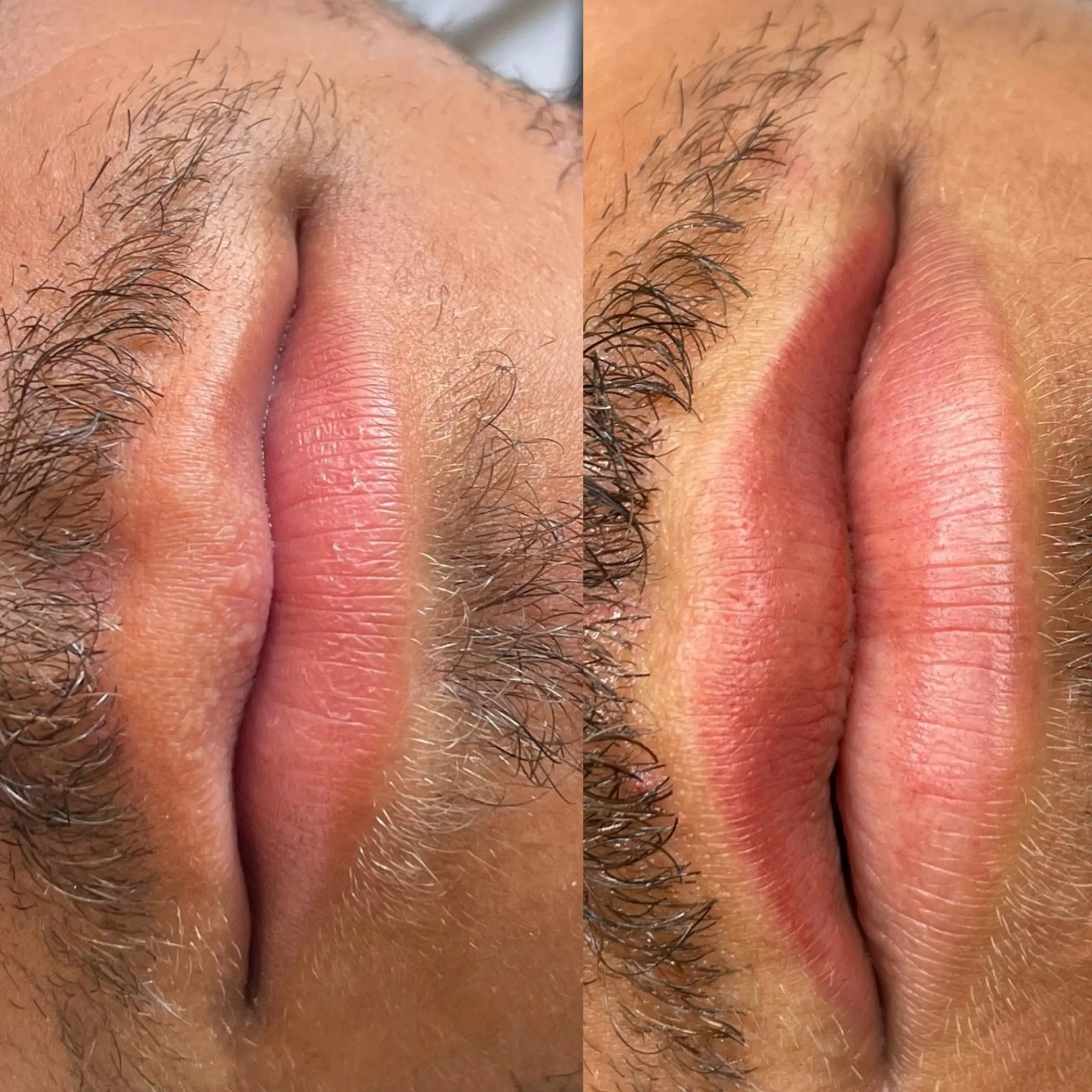
SMP pigments for guys and girls are often the same high-quality carbon-based or hybrid stuff – it’s just the way it’s diluted, layered, and placed that differs. Brand systems like Folisim, DermMicro, 6emp Micropigmentation, and others are often chosen for their stability and predictable healing, but ultimately, it’s about how well you match, and ignoring scalp undertones can be a real problem in the long run.
Technique Changes The Look
When it comes to treatment, things get really interesting. Guys usually want a cropped-shave illusion or to fix a receding hairline that looks too done. Women typically want a fuller, more natural-looking hairline without that obvious “tattooed” look. So the micropigmentation technique changes, but not because women are somehow entitled to a different formula – it’s just a different pattern.
In my experience, I’ve had women walk through my door who had been told they couldn’t get SMP because of their long hair, but that’s just not true. If there’s visible scalp showing through, some density work can fix the issue. And then there are guys whose previous artist got the front line too straight – you know, that classic ” helmet edge” problem.
Patterning Makes The Difference
Dot density, spacing and softness at the edges are what give you that natural look. Recreating a hairline for a guy usually involves some irregularity and broken spacing to make it seem like it’s growing out of their head rather than being drawn on. And for women, density work tends to sit behind existing hair and follow the way their hair naturally falls.
Planning Prevents Problems
The key to a safe SMP is doing all your planning before the first dot even goes in. Every client needs a health form, a scalp assessment, and, ideally, a patch test if they’ve got a history of skin allergies or sensitivities.
The thing that people often get wrong is rushing in for a holiday, wedding or beach trip. Fresh scalp work and strong Australian sun are not a good mix. I always tell my clients in Melbourne to give themselves at least 2 weeks before any major events, and even longer if they know they heal slowly.
Who Should Wait Or Avoid
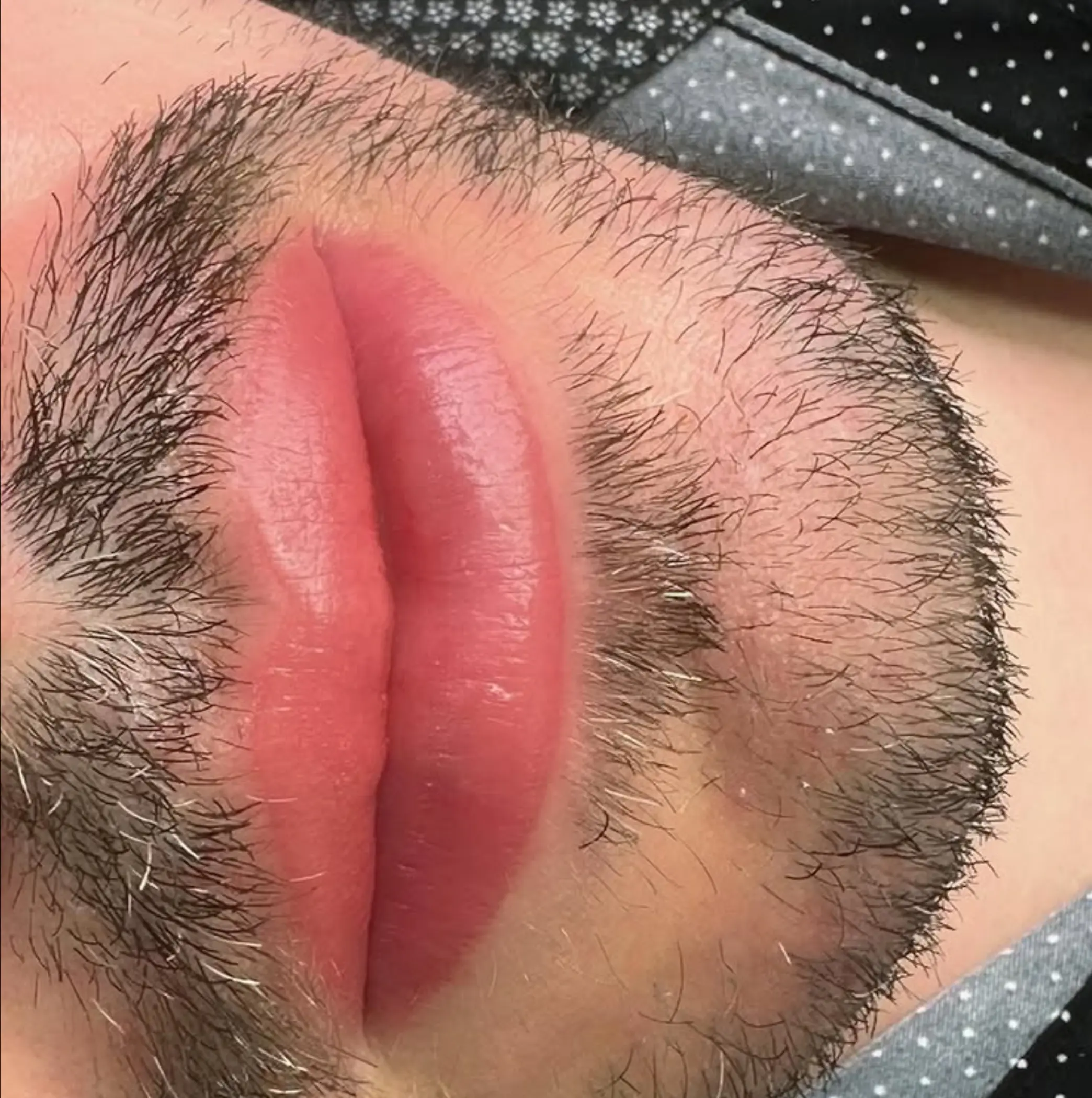
You should delay your treatment if you have active psoriasis, eczema, sunburn, an infection, uncontrolled dandruff, have recently had microneedling, or are using any strong exfoliating products. And as for cost, in Melbourne it usually runs from about AUD 800 to AUD 3,500, depending on what you need to treat, how much scar work or correction you need, and how many sessions you need.
Before: just give the sunburn, booze and heavy scalp exfoliation a miss for 48 hours
After: keep the scalp clean and dry, get some sun protection, and for goodness sake, don’t pick at it or scrub at the flakes
Melbourne Clients Need Practical Advice
Scalp micropigmentation is not a one-size-fits-all deal because our climate, UV exposure and lifestyle habits can all impact how well you heal. Office workers, gym-goers, runners along the bay, and tradies working outside all have different healing times. That’s why aftercare and touch-up timing are just as important as the first session.
At Cosmetic Tattoo Studio Melbourne Face Figurati, I usually recommend taking a close look at your healed results after the initial series, then coming back for a refresh in a few years, depending on how much the colour fades, how you look after your skin, what products you’re using and all that kind of thing. And if you’re using any strong scalp serums or exfoliating skincare from brands like Medik8 or one of those clinic-style systems like Venus Treatments, just let your artist know.
Final Thoughts Before You Book
If there’s one thing that sticks with you after reading this guide, it’s that men and women don’t necessarily need their own separate SMP systems. What we often see, though, is that they do need different design decisions – taking into account factors like your scalp, skin type, and where you’re currently losing hair.
Hi, I’m Olha Po here at Face Figurati, and that’s exactly how we approach scalp work – with safety, honesty and no mucking about. Alright, so you’re still on the fence about what would suit you best? Get in touch with us, and I’d be more than happy to chat about realistic options, healing times, and whether SMP is even worth it for you.
Summary
It’s not as simple as saying men’s skin is different to women’s skin when it comes to SMP. What really matters is the state of your skin, your hair loss pattern, your undertones, and what you want to achieve with the design.
FAQ
Is men’s skin really 25% thicker than women’s?
You know, we see a lot of claims saying that the average skin thickness is around that figure for guys. But at the end of the day, individual scalp variations are what really matter for treatment.
Which of the two is going to have smoother skin?
Actually, neither – at least, not by default. It really depends on a whole bunch of factors, like oil levels, sun damage, and your skincare routine.
Do men and women need separate skincare routines?
In short, no, it’s not because the skin is fundamentally different, but because guys tend to shave and have different product habits, which affect what works for them.
How deep does a needle really go in?
For SMP, we’re looking at super shallow depth here – not drilled way down into the skin – and it gets adjusted on a case-by-case basis rather than relying on some set figure.
Do women need to use different pigments than men?
Not usually – the real focus is on getting the undertones right, the contrast looking good, and how the colour behaves once it’s all healed up.